

A single tile specification rarely works across an entire project: an apartment bathroom, a terrace, a hospital corridor and a warehouse floor face different moisture, traffic, load and cleaning conditions. By mapping each zone to measurable tile, installation and procurement requirements, you can prepare a project brief that reduces breakage, slip risk, shade variation and premature failure.
Key takeaways
- Use slip-resistant tiles in wet areas and exposed balconies.
- Specify commercial tiles by traffic, cleaning chemicals and weather exposure.
- Confirm tile batch, shade, calibre, wastage and substrate before ordering.
- Give dealers a zone-by-zone schedule instead of one project-wide tile request.
Match Tile Applications to Residential Project Zones
Choose the finish and performance for each zone, not one tile for the entire housing project. These tile applications for builders prevent a polished living-room tile from being carried into a wet bathroom or exposed balcony.
| Zone | Suitable application | Key specification |
|---|---|---|
| Apartment floors | Vitrified or porcelain floor tiles | Verify wear, breaking strength, point-load capacity and slip performance. |
| Walls | Ceramic or decorative wall tiles | Wall tiles are not automatically suitable for floors or high-load areas; check the declared floor application. |
| Kitchens | Stain-resistant floor tiles; ceramic splashback tiles | Select surfaces that tolerate grease, scrubbing and cleaning chemicals. |
| Bathrooms | Matte or textured tiles on floors; glazed ceramic on walls | Specify tested wet slip resistance; polished tiles become hazardous when wet. |
| Balconies | Textured, low-slip exterior floor tiles | Provide drainage, falls and resistance to monsoon exposure. |
| Terraces | Low-absorption exterior tiles or selected natural stone | Allow movement and protect joints from rain and thermal change. |
| Staircases | Rated stair tiles with nosing or stone treads | Check edge impact, breaking strength and slip resistance. |
| Lift lobbies | Wear-rated tiles or natural stone | Choose for concentrated traffic, luggage wheels and frequent cleaning. |
| Corridors | Commercial-grade vitrified or porcelain tiles | Verify abrasion, trolley movement, slip and replacement availability. |
Matte and textured finishes improve wet grip but hold dust and need stronger scrubbing. Polished finishes suit appearance-led, dry interiors and wipe clean easily, but lose grip when wet.
Natural stone suits selected feature walls, staircases and heavy-use zones when sealing is acceptable. Vinyl provides a softer, quieter floor; paint delivers a seamless, low-cost wall finish where impact resistance matters less. Evaluate tiles for residential and commercial spaces as tiles for construction projects, not by catalogue appearance alone.
Specify Commercial Tiles by Traffic, Cleaning and Exposure
Pedestrian offices, schools, retail stores, corridors and lift lobbies need abrasion, breaking-strength and slip data matched to foot traffic—not the same specification as pallet wheels or forklift loads. Restaurants, hospitals and service zones also need tested stain and chemical resistance, while warehouses require point-load, impact, trolley-wheel and pallet-wheel suitability; PEI alone proves only glazed-surface wear.
- Ask for PEI or an equivalent abrasion classification for glazed tiles, plus the manufacturer’s intended traffic class. Do not treat PEI as evidence of slip resistance, chemical resistance or forklift suitability.
- Require tested slip-resistance results for entrances, ramps, wet-cleaned floors and monsoon-exposed areas, using the proposed finish and realistic contamination. A low-absorption polished tile can still become dangerously slippery when wet.
- For restaurants, hospitals, kitchens and service areas, request stain and chemical-resistance results against the cleaners, disinfectants, oils and food substances used on site.
- Check water absorption under ISO 13006: BIa is ≤0.5%, BIb is >0.5–3%, BIIa is >3–6%, BIIb is >6–10%, and BIII is >10%. Record the declared group, dimensions, finish, tolerances and test results under IS 15622; do not specify only “ceramic” or “porcelain”.
- Treat Pune façades, terraces and balconies as exposed assemblies: provide drainage, falls and movement accommodation, and verify resistance to rain, dust, sunlight and thermal change. Low absorption does not replace these details.
A commercial tiles supplier in Pune should supply this evidence for tiles for construction projects and tiles for residential and commercial spaces, not just attractive samples. Where loads or exposure exceed pedestrian use, obtain a written application recommendation before approval.
Compare Tile Types, Formats and Finishes Before Approval
Water absorption is the first filter for tiles for construction projects, not the label ceramic, vitrified, porcelain or designer tile. Under ISO 13006, pressed-tile groups run from BIa at ≤0.5% absorption through BIb at >0.5–3%, BIIa at >3–6%, BIIb at >6–10% and BIII above 10%; lower absorption matters in repeated moisture and exposed locations.
Compare the IS 15622 datasheet on these points:
| Criterion | What to compare | Why it matters |
|---|---|---|
| Water absorption | Declared ISO 13006 group | Limits moisture-related risk |
| Abrasion | PEI or equivalent classification | Separates decorative surfaces from wear-prone floors |
| Strength and thickness | Breaking strength and actual thickness | Indicates resistance to load and impact |
| Dimensions | Length, width, thickness and tolerance | Controls lippage, alignment and wastage |
| Surface performance | Finish, stain resistance and chemical resistance | Matches cleaning, slip and service conditions |
| Application | Declared floor, wall, wet or external use | Prevents a wall tile being used in a loaded area |
A 600×1200 mm tile and larger changes the installation, not just the appearance. Move it with suitable equipment, inspect screed flatness more strictly, use back-buttering and achieve full adhesive coverage; uneven substrates create voids, rocking, lippage and cracked corners. Handling takes longer, and breakage risk increases.
Check whether the format suits room proportions and preserves visual continuity. Approve grout-joint width, cuts around drains and columns, and a mock-up under actual project lighting before ordering.
Choose natural stone when sealing and detailed edge treatment are acceptable, engineered quartz for approved interior walls or counters, cement flooring for extreme impact resistance, and seamless resin when a joint-free surface matters more than tile repairability. These tile applications for builders need separate specifications.
Plan Quantities and Installation Details by Zone
Calculate net area by zone, then add project-specific cutting waste for columns, door reveals, drains, patterns and diagonal layouts. Retain unopened spare boxes for repairs, and record each box’s batch, shade and calibre.
- Order each building or phase separately when one production lot must remain consistent across corridors, façades or open-plan floors.
- Price large-format tiles for protected vertical storage, edge protection, A-frame movement and suitable handling equipment, not just tile area. Manual carrying without suction lifters increases breakage and corner damage.
- Include spare stock in the purchase order; omitting it leaves repairs dependent on a later shade or calibre.
| Zone | Installation requirement | Failure prevented |
|---|---|---|
| Wet bathrooms and kitchens | Waterproof beneath the tile, form falls to drains, and specify grout width and flexible perimeter joints | Leaks, ponding and cracked edges |
| Large-format floors | Inspect screed flatness, use full trowel coverage and back-butter each tile | Voids, rocking, lippage and cracked corners |
| Exterior balconies and terraces | State perimeter and intermediate movement joints, flexible sealant at changes of plane, and drainage falls | Debonding, tenting and water retention |
| All zones | State curing time before traffic and select grout for the joint width and exposure | Weak joints and premature damage |
Choose adhesive separately from the tile. State the cementitious adhesive class under IS 15477, plus open time, slip and deformability, based on tile absorption, format, substrate and exterior exposure.
Common errors include mixing batches, laying interior tiles outdoors, trusting appearance instead of slip data, and tiling over damp or uneven substrates. These shortcuts turn otherwise suitable tiles for construction projects and tile applications for builders into avoidable failures.
Give a Pune Dealer a Zone-by-Zone Procurement Brief
Use this matrix for tiles for residential and commercial spaces before issuing a purchase order:
| Zone | Traffic/wet exposure | Finish/format | Quantity | Tile group | Slip test | Wear/load | Adhesive, grout, joint | Chemicals | Delivery/replacement |
|---|---|---|---|---|---|---|---|---|---|
| Residential | Medium; bathrooms wet | Matte 600×600; wall 300×600 | Net area + cuts + spares | IS 15622/ISO 13006 declaration | Wet-floor result | PEI/application data | IS 15477 class; cementitious grout; 3 mm | Neutral cleaner | Phase-wise; retain same lot |
| Commercial | High; trolleys or wet cleaning | Matte/textured 600×600 or 600×1200 | BOQ + project waste + unopened repairs | Declared absorption group | Entrance and wet-slip report | PEI plus trolley/load advice | Deformable adhesive; chemical-resistant grout; 3–5 mm | Approved chemical list | Handover phases; replacement stock |
| External | Rain, monsoon, sunlight | Textured; smaller formats for falls | Include cuts and drain detailing | Low-absorption declared group | Wet and ramp test | Exterior breaking-strength advice | Exterior adhesive; flexible grout; movement joints | Non-acid cleaner | Monsoon-protected delivery; same-lot confirmation |
| Service zone | Heavy impact, oil or chemicals | Textured, robust format | Add breakage and repair stock | Datasheet-declared group | Slip result after cleaning | Load, pallet-wheel and stain data | High-performance adhesive; chemical grout; 3–6 mm | Specified degreaser | Early delivery; secure storage and replacements |
Ask the commercial tiles supplier in Pune for approved samples, a datasheet, batch, shade, calibre, thickness, quantity per box, delivery sequence, breakage responsibility, replacement terms and confirmation that the same lot remains available.
Coordinate site access, dust control, monsoon covers, phased handover and locked, dry storage. Compare tiles for construction projects dealers in Pune on technical advice, stock depth, lead time, sample approval, logistics and after-sales handling—not catalogue size or proximity. RK GRANITE should keep residential, commercial, external and service specifications separate.
Related product
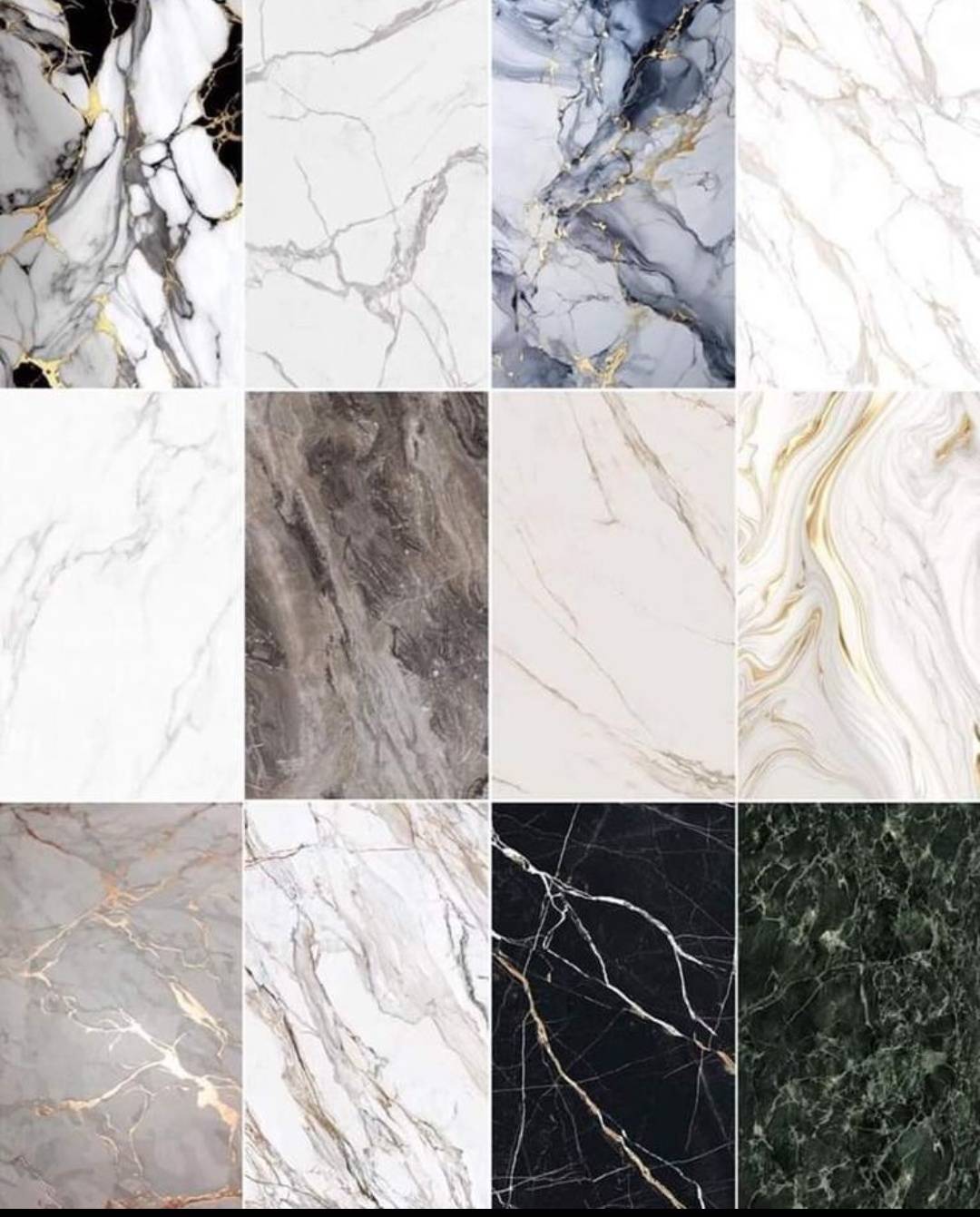 | Tiles Tiles RK Granite offers an extensive range of premium tiles in Pune to elevate the style and functionality of your spaces. |
Frequently asked questions
How should builders match tiles to residential project zones?
Use water-resistant, slip-resistant tiles for bathrooms and balconies; select easier-to-clean, appearance-led tiles for living rooms and bedrooms; and confirm outdoor tiles can withstand exposure and drainage conditions.
How do you specify commercial tiles for different buildings?
Assess foot traffic, trolley or vehicle loads, cleaning chemicals, moisture, staining and outdoor exposure before choosing tile strength, slip resistance, finish and maintenance requirements.
What should you compare before approving a tile type or format?
Compare ceramic, porcelain, vitrified, natural stone and other options by absorption, strength, slip resistance, finish, size, joint layout, cleaning needs and installation tolerance.
What information should a Pune dealer receive for procurement?
Provide each zone’s area, tile size and finish, application, expected traffic, exposure, installation pattern, required quantity, wastage allowance, delivery sequence and batch or shade requirements.